The most fashionable colour on Victorian walls was made with arsenic.
Scheele's green was cheap and vivid, and machine printing put it into homes by the million. Doctors spent decades arguing about whether it could make people ill, until shoppers settled it by asking for arsenic-free paper.
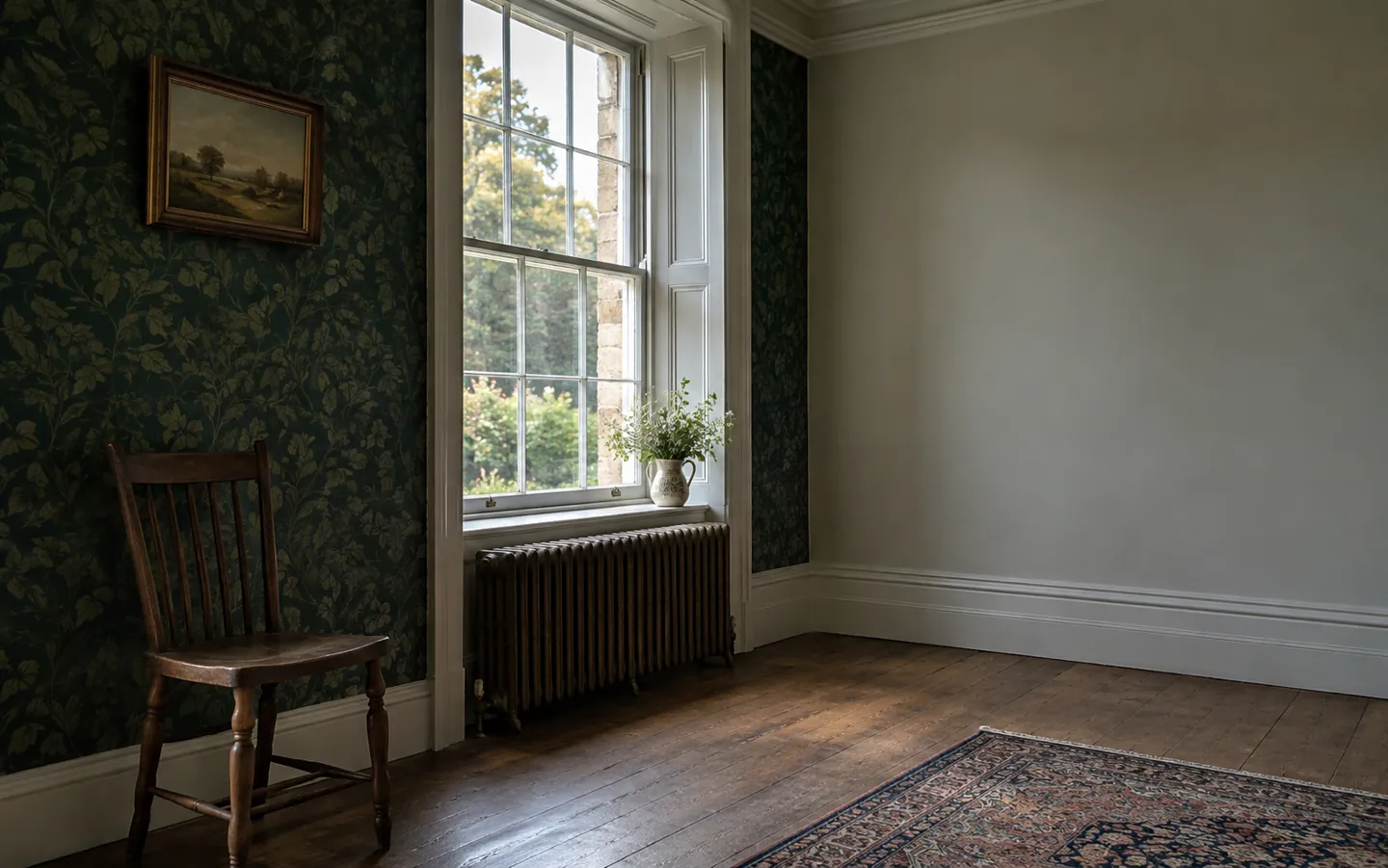
AI-generated image, not a photograph of a real person or place.
A cheap, vivid pigment
Damp set the poison free
Shoppers ended it, not the law
How a colour came and went
THE SHORT ANSWER
A bright colour, a poisonous recipe.
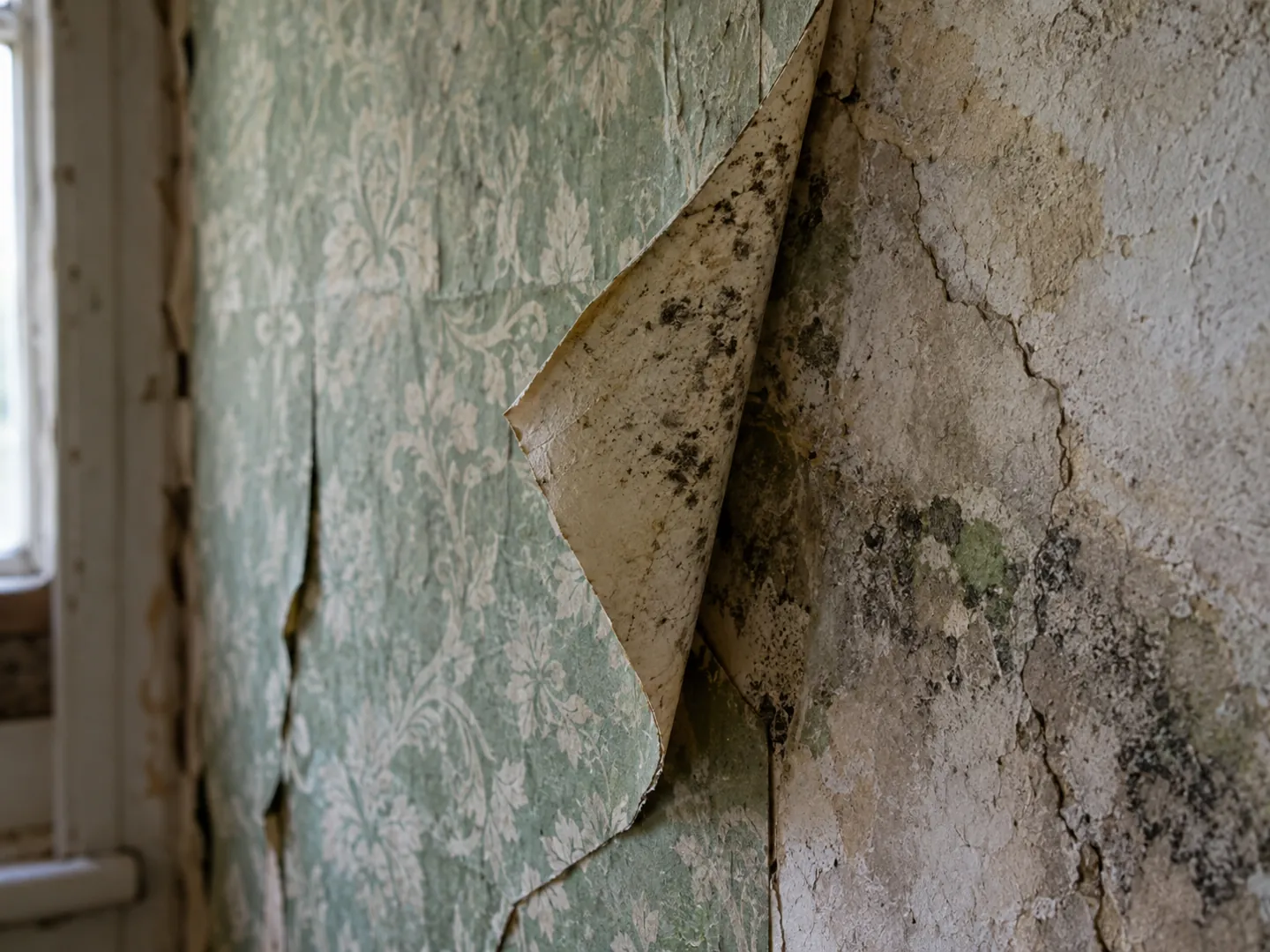
The green came from copper and arsenic. Dust, damp and mould let it escape.
THE PIGMENT
Copper plus arsenic
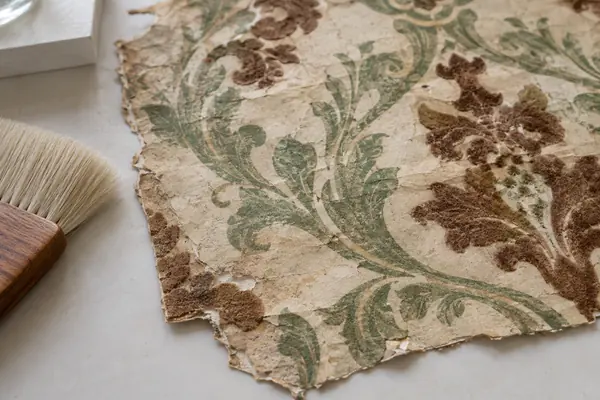
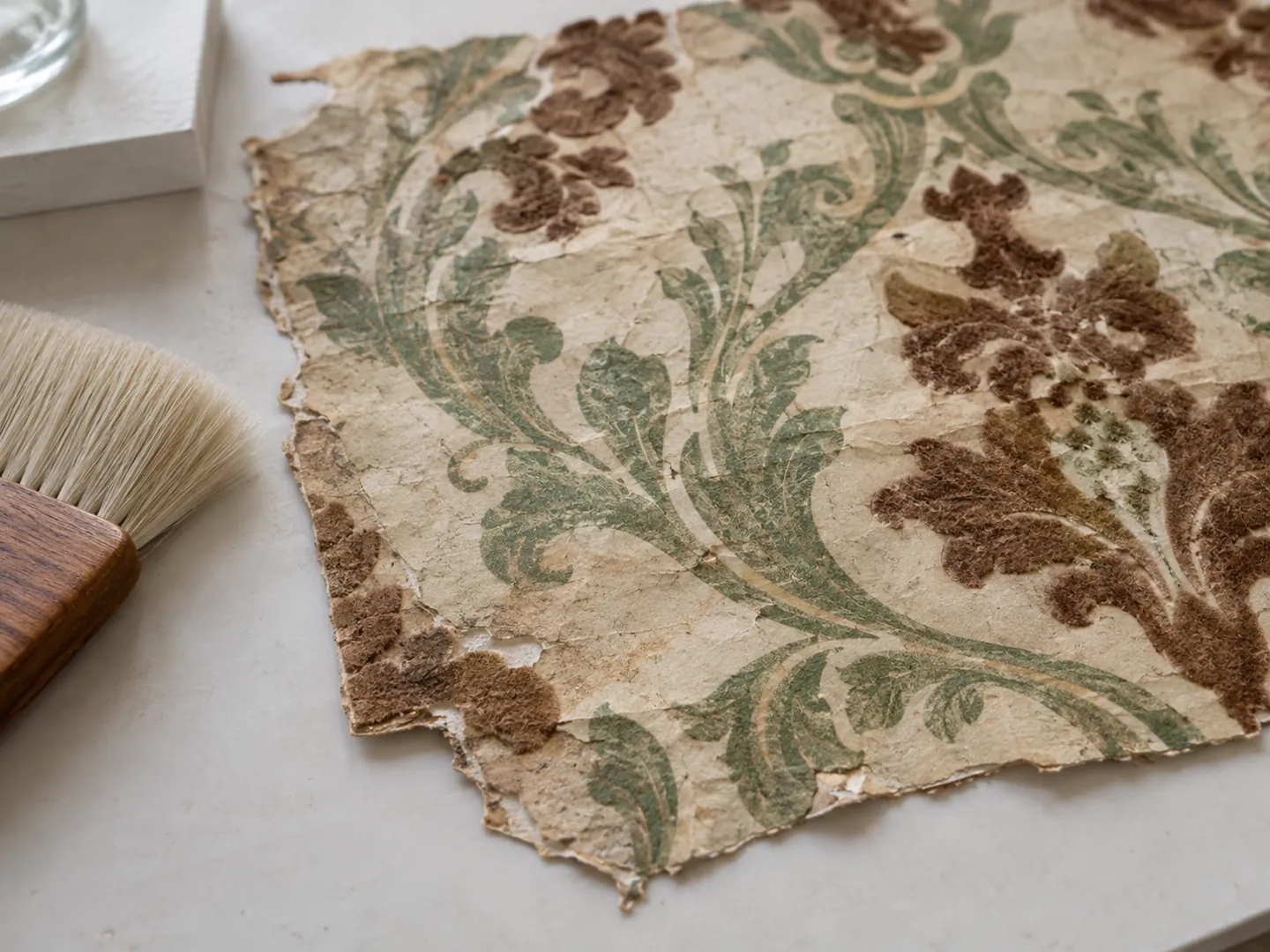
Scheele's green was invented in 1775. A mid-19th-century paper at the V&A was analysed and found to be printed with it: a copper-arsenic green of a poisonous type.
Pick a period to see how likely a vivid green British wallpaper from that time was to be coloured with arsenic. The bar shows how common arsenical greens were.
Based on published histories of arsenical wallpaper. Only a laboratory test can say what a particular paper contains.
TWO NUMBERS WORTH KNOWING
Cheap to make, costly to live with.
One figure on how much paper was printed, one on how much arsenic one sheet could hold.
32m+
Rolls of wallpaper made each year by 1874
By 1874 over 32 million rolls were made each year in Britain, and the cheapest sold for a penny a roll, so arsenic greens reached ordinary homes.
PRODUCTION · JVC
3 grains
Arsenic found per square foot of paper
After four children died in Limehouse, the chemist Henry Letheby found three grains of arsenic per square foot of their wallpaper, described as a lethal dose.
ONE ROOM · RES MEDICA
The Journal of Victorian Culture says four siblings in Limehouse died in 1862 after sharing a room papered in Scheele's green. Res Medica gives the case as shortly after 1839, so dates vary between sources.
FOUR THINGS TO KNOW
Reading an old green wall.
Old green papers still turn up in museums, archives and the backs of cupboards. These points come straight from the histories.
Check the date first
Arsenical greens were common from the 1840s to the 1870s. By 1900 a Home Office report called British wallpaper practically arsenic-free.
Damp mattered most
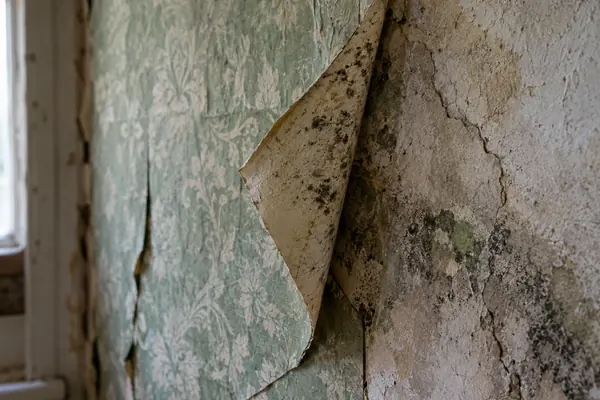
Moisture, rubbing and heat released arsenic from the paper, and mould in damp paste could turn it into a gas.
Cheap paper was worse
In 1859 Alfred Hassall argued the dye was bound tightly except in cheap papers, though later tests found all papers could shed dust.
Only a lab can tell
Museums test papers before they say what is in them. Saint Louis Art Museum plans an X-ray fluorescence test on one of its panels.
AI-generated image, not a photograph of a real person or place.AI-generated image, not a photograph of a real person or place.
HOW THE POISON GOT OUT
Dust first, then a gas.
The first theory was dust: pigment flaking off the wall and being breathed in. In 1839 Leopold Gmelin reported a mouse-like smell in damp rooms with green paper, and in 1857 the Birmingham physician William Hinds described cramps and light-headedness he blamed on his green study.
In 1891 Bartolomeo Gosio showed that the fungus Scopulariopsis brevicaulis, growing in wallpaper paste, could release a garlic-smelling arsenic gas. In 1933 Frederick Challenger and his students identified it as trimethylarsine.
Questions
Questions people ask
What was Scheele's green?
A copper arsenite pigment invented by the Swedish chemist Carl Wilhelm Scheele in 1775. It was cheap and vivid, so it was used widely in the 1800s, including on wallpaper.
Did arsenic wallpaper really make people ill?
Victorian doctors reported headaches, vomiting, aching limbs and cramps, and several deaths were blamed on green rooms. Doctors linked illness to green wallpaper only in the late 1860s, and the cause was argued over for decades.
How did arsenic get out of the paper?
Pigment could flake off as dust, and moisture, rubbing or heat released it. In 1891 Gosio showed that mould growing in damp wallpaper paste could release arsenic as a gas.
Was arsenic wallpaper banned?
Not in Britain. A bill drafted in the early 1880s was dropped. Many foreign governments acted, but in Britain shoppers moved to arsenic-free paper, and a 1900 Home Office report called British wallpaper practically arsenic-free.
Did Buckingham Palace have it?
Yes. Its arsenical wallpapers were removed in 1879, after a guest blamed green wallpaper for his illness.